
Sustainability now stands as a key factor in the worldwide vaping industry. With stricter rules in place and buyers becoming more mindful of expenses, discussions have shifted from tastes and puff numbers to emphasize lasting benefits, material disposal, and item durability. Standard throwaway vapes, though handy, tend to produce unseen expenses and heavy ecological strain when applied widely.
Devices that can be recharged are gaining ground as a sensible answer to these challenges. They blend reusable energy setups, effective e-liquid distribution, and clever build methods, providing a means to lower both outlays and refuse without sacrificing quality. This piece looks into five solid methods by which rechargeable vape units help strike that equilibrium, backed by practical build reasoning and production figures.
Rechargeable Vape Devices as a Sustainable Alternative
Units that recharge tackle the issue through a fresh build approach. Rather than viewing the vape as a one-off item, they are crafted for ongoing use across weeks or months. The change between these sections goes beyond just fitting a charging slot. It shows a wider mindset in design that stresses toughness, productivity, and managed intake.
Main build variations cover:
| Aspect | Disposable Vape | Rechargeable Vape |
|---|---|---|
| Battery | Single-use | Rechargeable lithium |
| Usage cycle | One-time | Multi-cycle |
| Waste output | High | Significantly reduced |
| Long-term cost | Accumulative | More predictable |
Through stretching out the item’s life and splitting power needs from throwaway actions, these rechargeable setups yield clear drops in cost per puff as well as tangible refuse.
Five Ways a Rechargeable Device Cuts Costs & Waste
The perks of vaping with rechargeables stand out more when we break them into particular build and handling elements.
Reusable Battery Systems Reduce Hardware Replacement
Every rechargeable unit centers on a battery made of lithium that users can reuse, matched with up-to-date Type-C charging. Users just plug it in for a boost when power fades, usually taking 30–60 minutes, instead of chucking the device away. This one element alone can cut hardware toss-outs by over 70% during a normal use span, drawing from average monthly patterns. With fewer batteries ending up discarded, the eco risks drop too, since lithium parts rank high among tricky bits in electronic trash flows.
Efficient E-Liquid Utilization Minimizes Liquid Loss
Sandwiched between battery output and vapor creation is the e-liquid handling setup. Rechargeable units commonly feature better tank builds, tight cotton setups, and steady oil flow to stop drips in daily use or while moving them around. Such builds make sure that a larger share of bought e-liquid turns into vapor instead of going to waste. Less dripping cuts the expense per milliliter and trims down leftover refuse, which matters a lot for sellers managing large deliveries.
Advanced Coil Technology Improves Energy Efficiency
A further money-saver comes from current coil designs. Options like dual mesh coils and ceramic types warm up more smoothly and hit the right heat quicker, which eases the power pull for each puff. This better warming brings about more consistent flavor, lower battery drain, longer coil lifespan. Across thousands of puffs, it means fewer charge-ups, reduced wear on the battery, and an extended working life for the whole unit.
Output and Mode Control Prevents Overconsumption

A good number of rechargeable units offer ways to adjust output or switch modes. Users can thus match vapor strength to what they like, rather than always running at full blast. Steering clear of extra high-power runs helps save both battery power and e-liquid. Managed output also slows coil wear, which stretches part lives and cuts down on swap-outs even more.
Fewer Disposals Mean Lower Environmental Impact
All these points add up to a clear result: far fewer full devices get thrown out. For shops and suppliers, it also brings down packing refuse, shorter trips for restocks, and stronger green branding. Looking at it on a large scale with thousands of units, the eco and money gains turn out big and real, not just for show.
Product Example: A Rechargeable Device Designed for Practical Sustainability
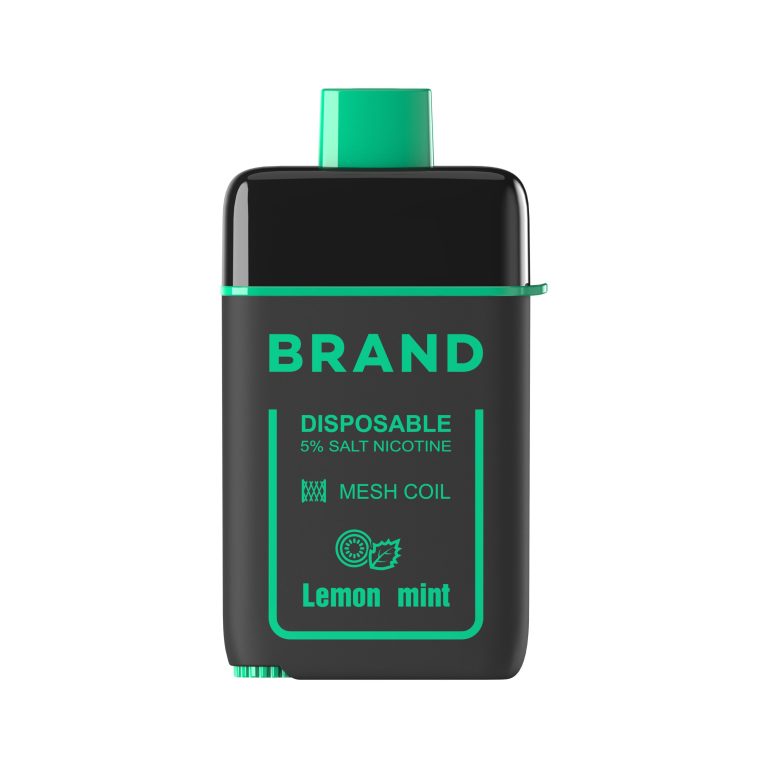
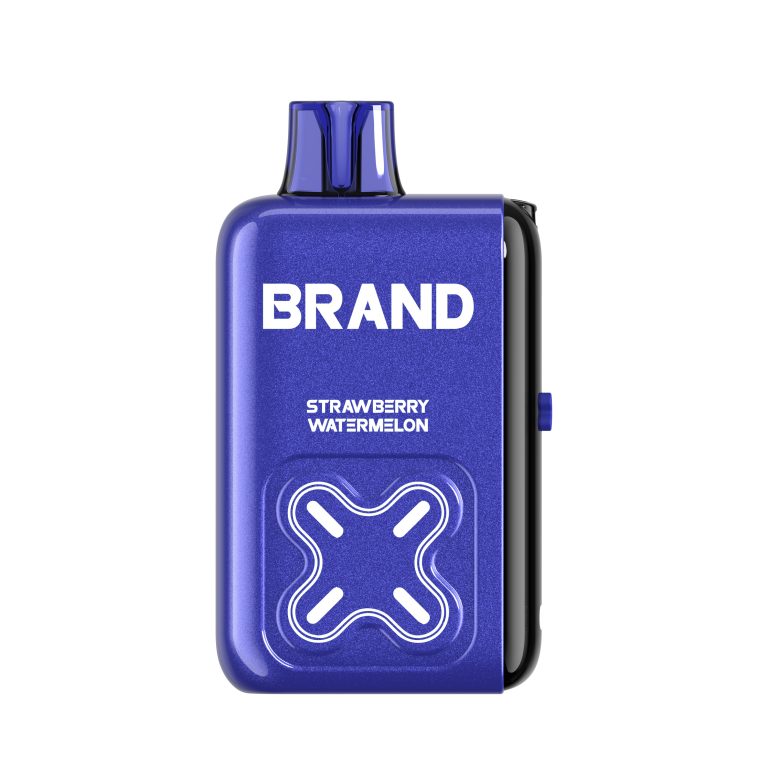
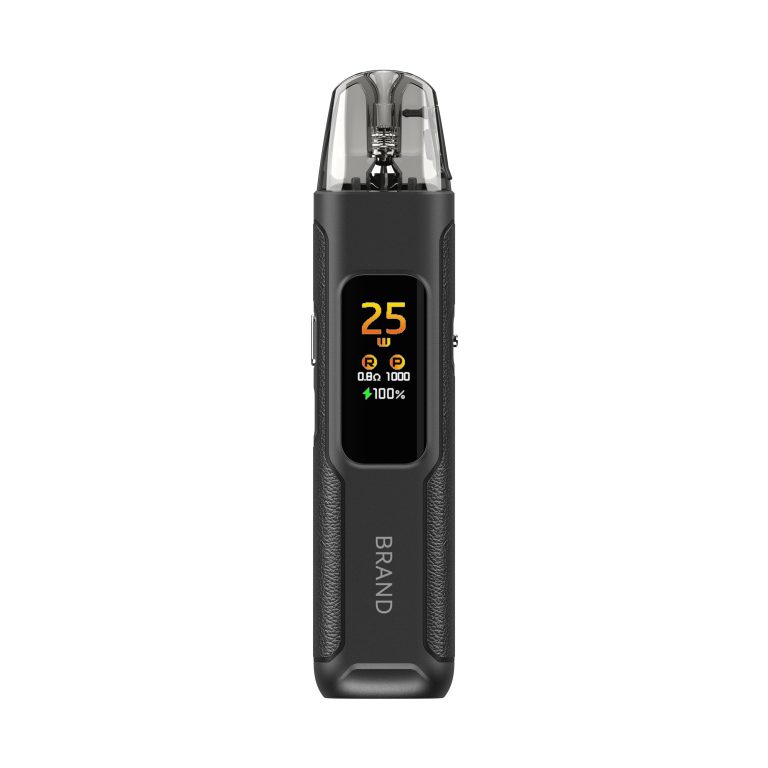
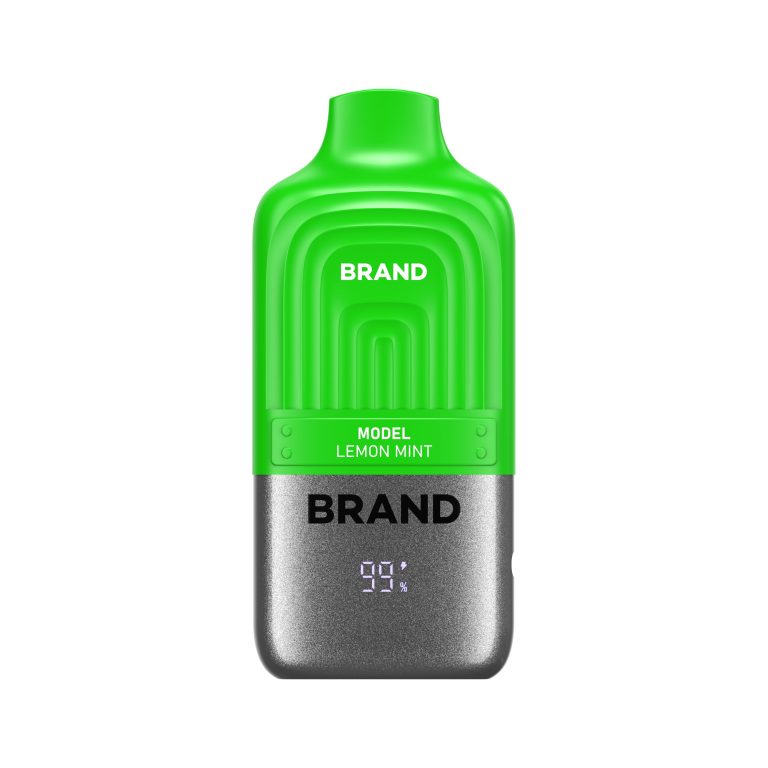
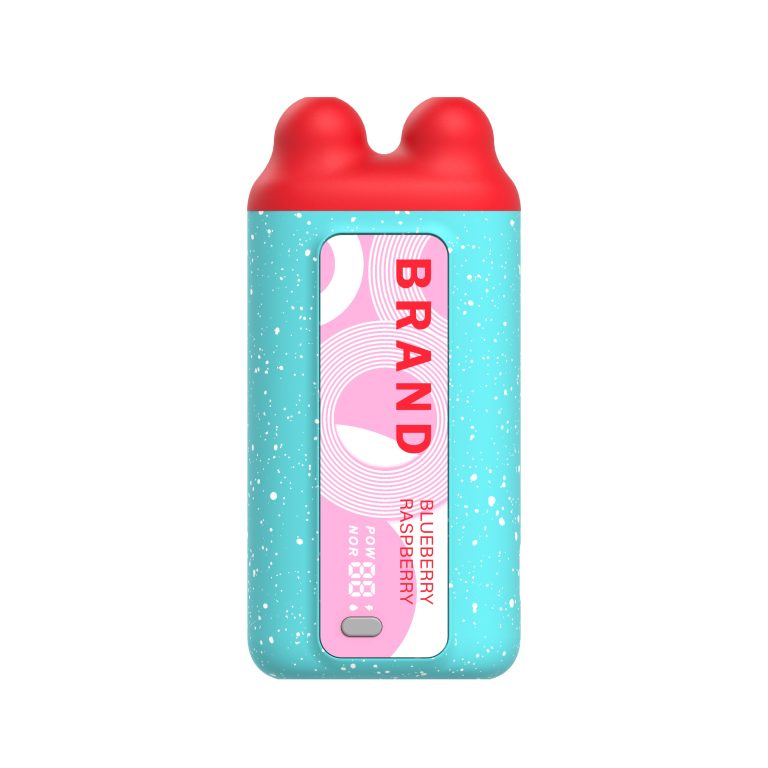
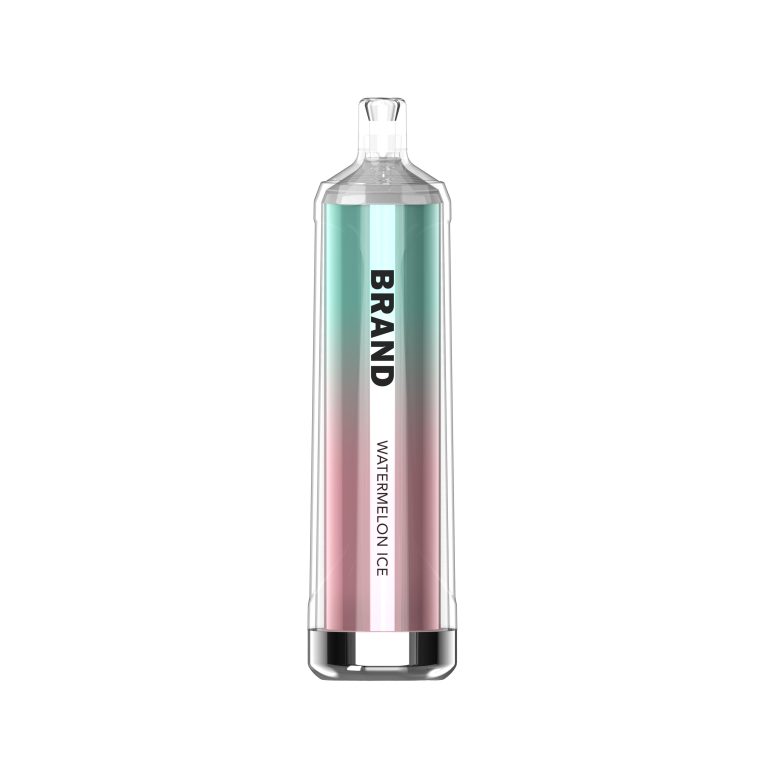
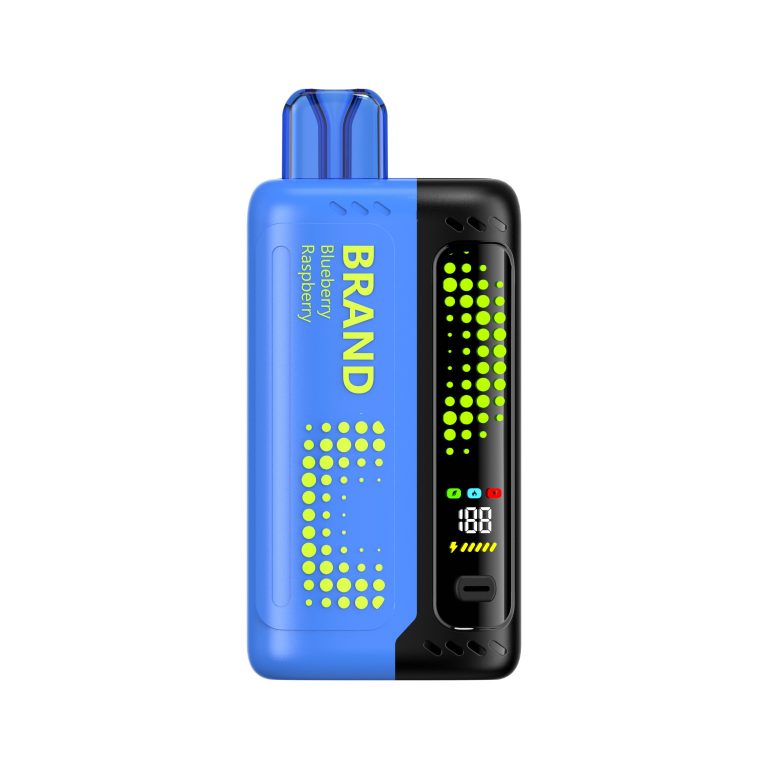
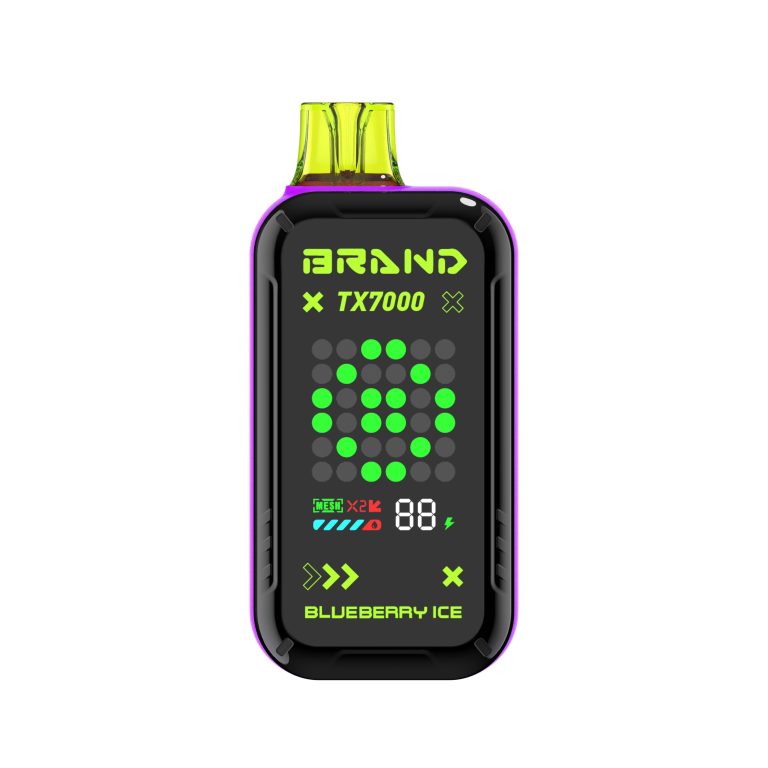
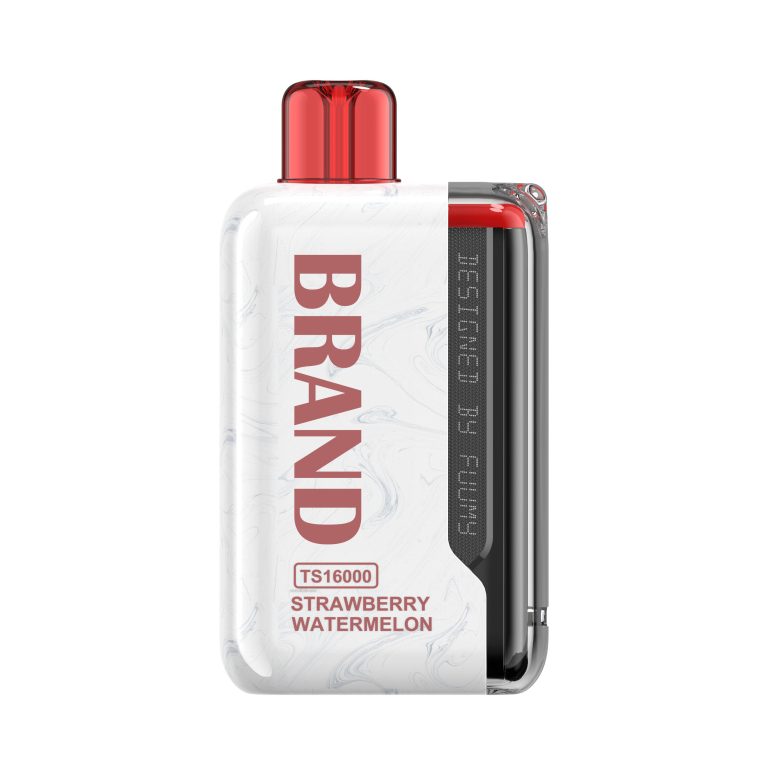
To show how these ideas mesh into actual gear, take a current rechargeable vape like the S47 rechargeable device. This kind of unit pulls together rechargeable battery architecture, balanced e-liquid capacity for extended use, compact form factor optimized for repeated charging cycles. Instead of pushing for quick throwaways, its build aims for steady action over periods, fitting nicely with what buyers want in value and green aims.
Manufacturing and Design Factors That Enable Sustainable Vaping
How well rechargeable units work hinges a lot on their planning and making. Moving from idea to dependable gear calls for joined efforts in research, checks, and steady production spots. Supporting these items are steps like dust-free workshops to reduce defect rates. In-house coil and cotton structure development. Multi-step quality control covering inbound materials to outbound shipment. Major makers with partly automated lines can hit daily runs over hundreds of thousands of units, all while keeping steady quality marks, which cuts refuse from flaws or pullbacks.
Fuumy as a Reliable Disposable Vape Supplier

Fuumy serves as a full-range provider for both rechargeable and disposable vape types. Drawing from OEM and ODM making roots, the firm aids in item planning, build tweaks, and broad production for worldwide teammates. Its sites hold cutting-edge test areas, dust-free spots, and focused quality crews, allowing reliable yields for global spread. Further info on its making strengths appears on the official website project questions.
Conclusion
Devices for vaping that recharge mark a workable move to green practices, not merely a sales fad. For everyday users, the upsides appear as cheaper spending in the long run and steadier results. For sellers and labels, these setups aid rule-following, green talk, and better supply flow. As the field keeps growing up, builds that favor reuse and productivity will likely shape the coming stage of vaping tools.
FAQ
Q1: Are rechargeable vape devices more cost-effective than disposables over time?
A1: Yes. Although the initial purchase price may be higher, rechargeable devices significantly reduce repeated hardware purchases. Over several months, the cost per puff is typically lower than that of single-use products.
Q2: Do rechargeable vapes really reduce environmental impact?
A2: Rechargeable devices reduce the number of discarded batteries and plastic housings, which are major contributors to electronic waste. Fewer full-unit disposals result in a smaller environmental footprint overall.
Q3: What features should buyers look for in a sustainable rechargeable vape device?
A3: Key features include a reliable rechargeable battery, efficient coil technology, leak-resistant e-liquid systems, adjustable output control, and consistent manufacturing quality.