
Traditional cigarette smoking has long been viewed as a key danger to public health over many years. The shift in recent times involves not the core risks of smoking on its own, but rather the rise of other choices that change the basic way nicotine gets into the human system. With electronic cigarettes spreading more broadly across the world, the debates pitting vaping against usual smoking have picked up pace and depth.
In this piece, we take a close look at the ways e-cigarettes and traditional cigarettes influence health, drawing on solid data to spotlight things like the reactions in burning, paths for taking in toxins, outlines of what gets released, and how people actually use them day to day. Our purpose is to lay out clearly why these methods of supplying nicotine lead to such stark contrasts in what they mean for people’s well-being.
How Traditional Cigarettes Affect Human Health at the Chemical Level
To start any useful side-by-side look, we must first dig into the process that sets regular smoking apart as especially bad for you.
Combustion as the Primary Health Risk Driver
Regular cigarettes run on the principle of burning. Tobacco lights up at levels of heat going past 800 °C, and that sparks off a web of chemical changes producing countless extra substances. Things like sticky tar, silent carbon monoxide, ring-shaped polycyclic aromatic hydrocarbons, plus metals that weigh heavy such as cadmium and lead, all show up in that mix.
Solid studies in toxicology, built up over a long time, point out that burning tobacco creates more than 70 types of compounds known to cause cancer. Sure, nicotine hooks people in with addiction, yet it does not drive the main waves of cancer tied to smoking or troubles in the heart and vessels. What really pushes the health dangers comes from drawing in those extras from burning, time and again, as days turn into years.
Long-Term Exposure Pathways in Traditional Smoking
When smoke gets pulled in, its bits act in ways quite unlike the misty bits from vapor. Hard particles dig right into the lung’s depths and pile up slowly through years of breathing them. Carbon monoxide clings to the blood’s hemoglobin, cutting back on how much oxygen flows to every corner of the body, and meanwhile, tar sticks around in the breathing tubes and linings.
How E-Cigarettes Function Without Combustion
Taking away the burning part changes the whole math on how much risk someone faces. That core split sits right in the middle of talks about vaping next to smoking.
Atomization Instead of Burning
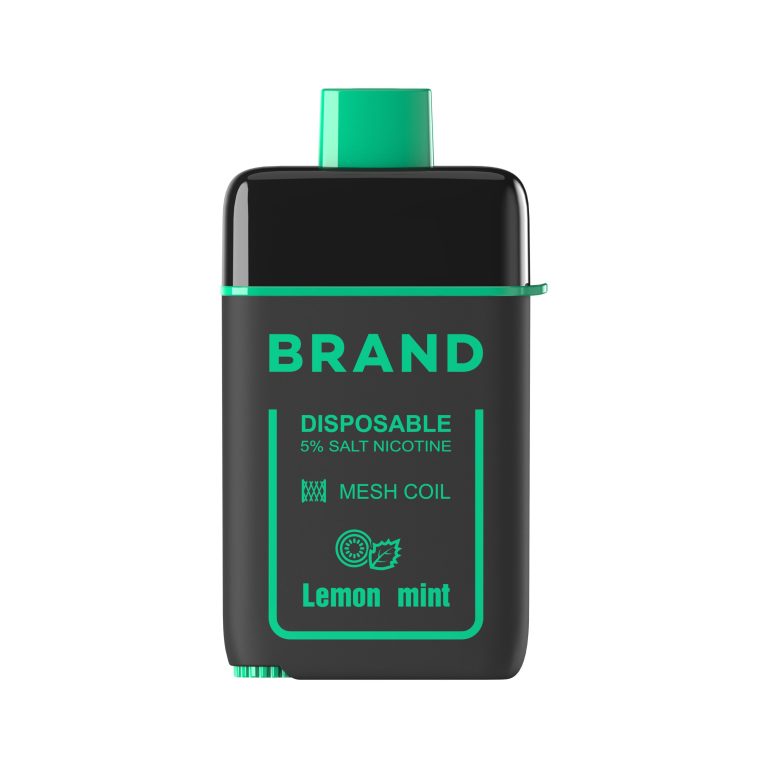
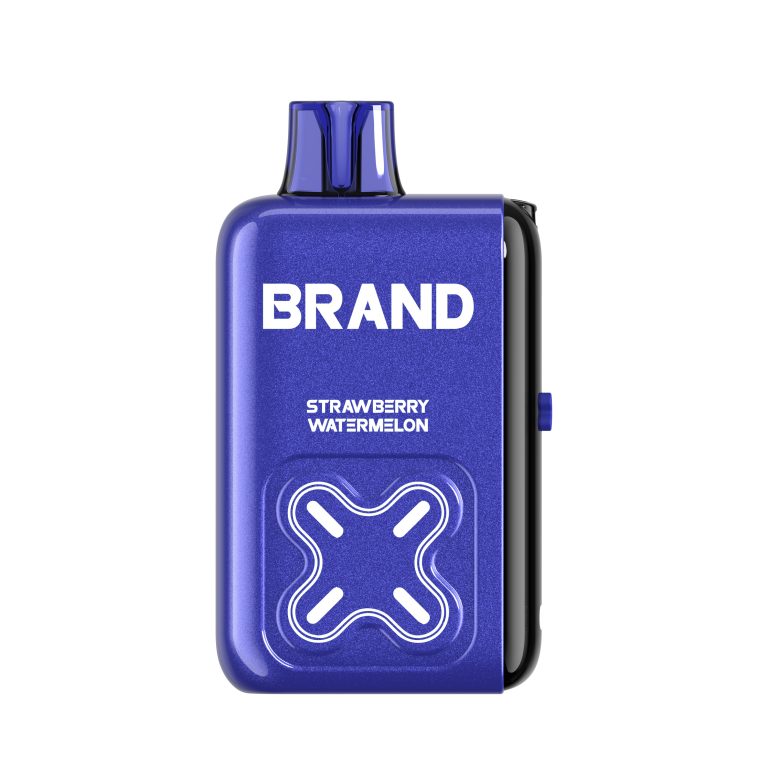
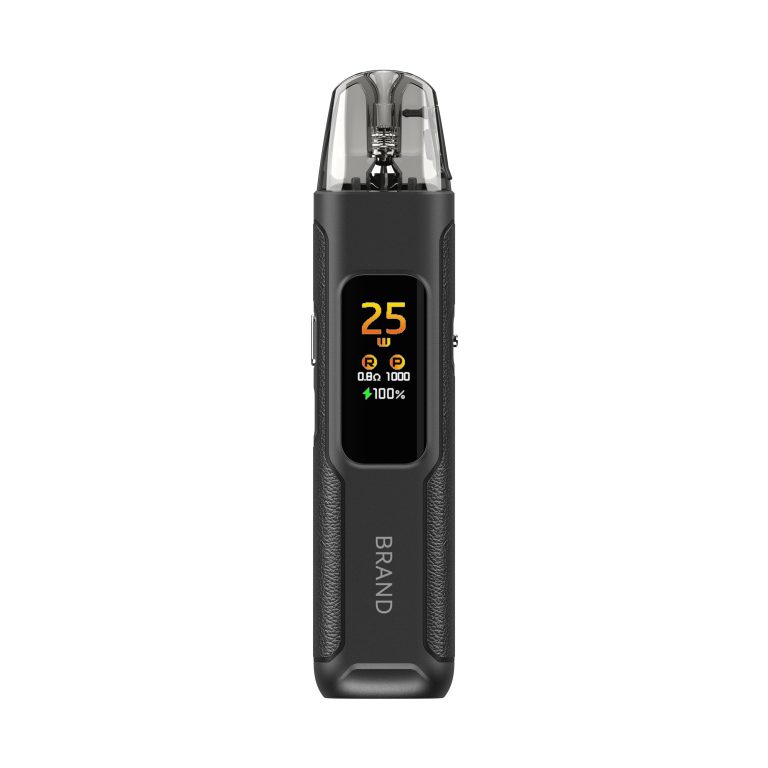
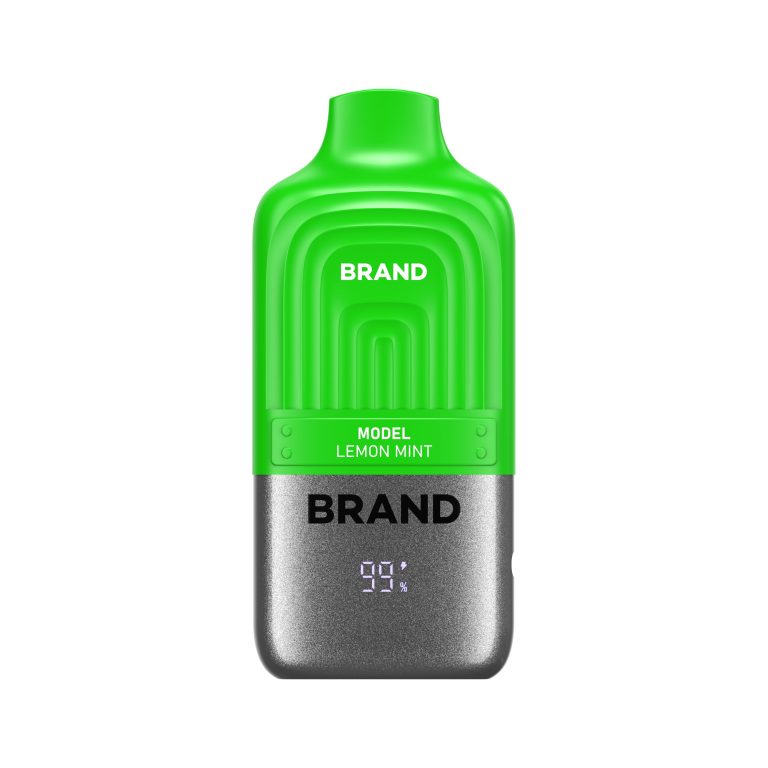
E-cigarettes draw power from a battery to heat up and turn liquid into a mist, skipping the step of setting plant-based stuff ablaze. The heat they use runs way cooler, often staying under 300 °C, and that keeps tar and carbon monoxide from forming at all.
People take in a spray of mostly tiny drops of liquid, not the heavy smoke. Just that switch wipes out loads of the bad chemicals that mark out smoke from regular cigarettes, making a big dent in overall danger right from the start.
Core Components of E-Liquid
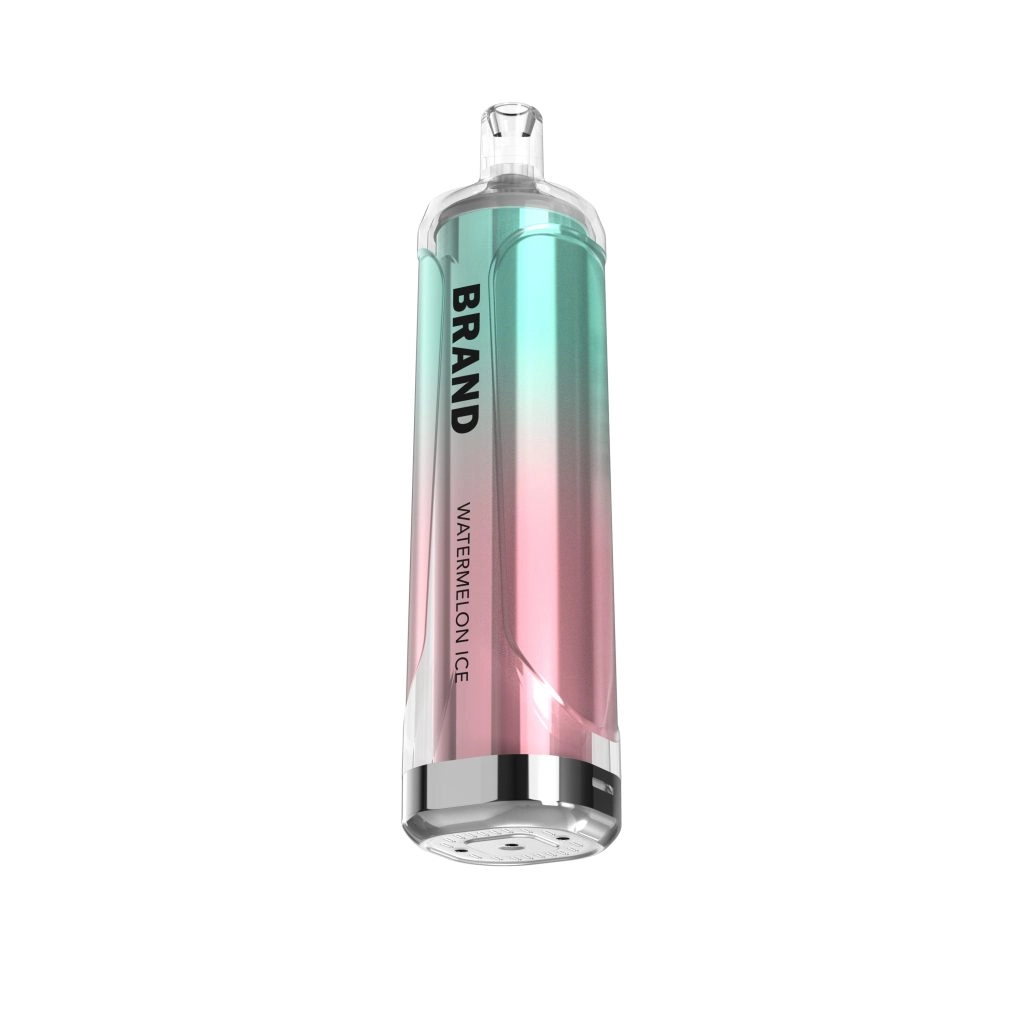
Most e-liquids build from a small set of parts. Vegetable Glycerin (VG) – produces visible vapor. Propylene Glycol (PG) – carries flavor and enhances throat sensation. Nicotine salts or freebase nicotine – adjustable concentration
Without any burning, these items just warm up instead of catching fire, and that cuts way down on making toxic extras when you line it up against cigarettes. This simple setup means fewer surprises in what comes out as vapor, giving users a more predictable experience overall.
Comparative Emissions: What Users Actually Inhale
What shapes health results is not the name on the gadget, but exactly what ends up hitting the lungs.
Toxicant Levels in Cigarette Smoke
Smoke from cigarettes packs in thousands of different chemicals, with plenty showing up in big amounts. For example:
| Component | Traditional Cigarette Smoke |
| Tar | High |
| Carbon monoxide | High |
| Combustion carcinogens | Present |
| Solid particulates | Dense |
These releases bear direct blame for damage to tissues that builds up over the long haul, leading to chronic conditions that are hard to reverse.
Emissions Profile of E-Cigarettes
Various checks by public health groups have noted that coming into contact with bad substances from e-cigarettes sits much lower than from tobacco that burns. One often-quoted review from UK public health folks put the drop in bad chemical contact at around 95% versus smoking the old way. And while vaping does carry risks and isn’t totally safe, the lineup of chemicals in vapor shows up as way simpler and less poisonous than what’s in smoke, pointing to a real step down in harm for those who make the change.
Secondhand Exposure and Environmental Impact
Risks to health stretch out past the single person using it, so how it acts in the surroundings counts as a big piece of the puzzle.
Secondhand Smoke from Traditional Cigarettes
Smoke from cigarettes hangs on in tight spaces. Bad leftovers stick to things like walls, cloths, and chairs, feeding into what’s known as thirdhand smoke in common terms.
Vapor Dispersion from E-Cigarettes
In sharp contrast, the spray from e-cigarette fades fast and skips the solid bits from burning. That cloud you see is mostly drops of liquid that have bunched up, and they turn to gas quick instead of dropping and staying. What sets this apart spells out why vaping leaves just a faint trace of smell that doesn’t last, plus way less mess in the air and on surfaces around it, easing concerns for others nearby.
Nicotine Delivery, Dependence, and User Control
How nicotine works shapes the ways addiction takes hold and opens doors for lessening harm.
Nicotine in Traditional Smoking
Cigarettes in the usual style push nicotine out quick and even across the board. Folks using them can’t tweak much how much they get from each one, and the amount of nicotine stays pretty set no matter what someone might want, locking in a rigid pattern that makes cutting back tougher.
Nicotine Management in E-Cigarettes
Users pick the nicotine power, the device’s strength, and how often they take a pull. Nicotine salts stand out here, letting draws come smoother at cooler temps, which eases any rough feel in the throat all while keeping the good parts intact. That kind of hands-on control explains why so many grown smokers manage to shift over from burning tobacco without too much trouble, giving them tools to ease into lower use step by step.
Product Engineering and Safety Factors in Modern E-Cigarettes

Past the raw chemistry, how the device gets put together holds a vital spot in keeping things steady when it comes to exposure.
Coil, Cotton, and Leak-Prevention Technologies
Today’s disposable vapes lean more and more on clever build tricks, like dual mesh coil setups that spread heat evenly without hot spots. They include exact cotton builds to guide e-liquid along nicely. And keeping the coil apart from where e-liquid sits stops wear and tear while shipping. All these bits aim to hold vapor steady and cut chances of drips or too much heat building up, leading to a smoother ride for the user from start to finish.
Manufacturing Quality and Process Control
Staying consistent counts a lot. When gadgets come out of spots watched closely with checks at many steps, they show fewer odd behaviors that might mess with what’s in the spray. The strict ways of making them tie straight into keeping users safer, as every detail gets handled to avoid slip-ups that could raise risks unexpectedly.
Fuumy as a Reliable Disposable Vape Supplier
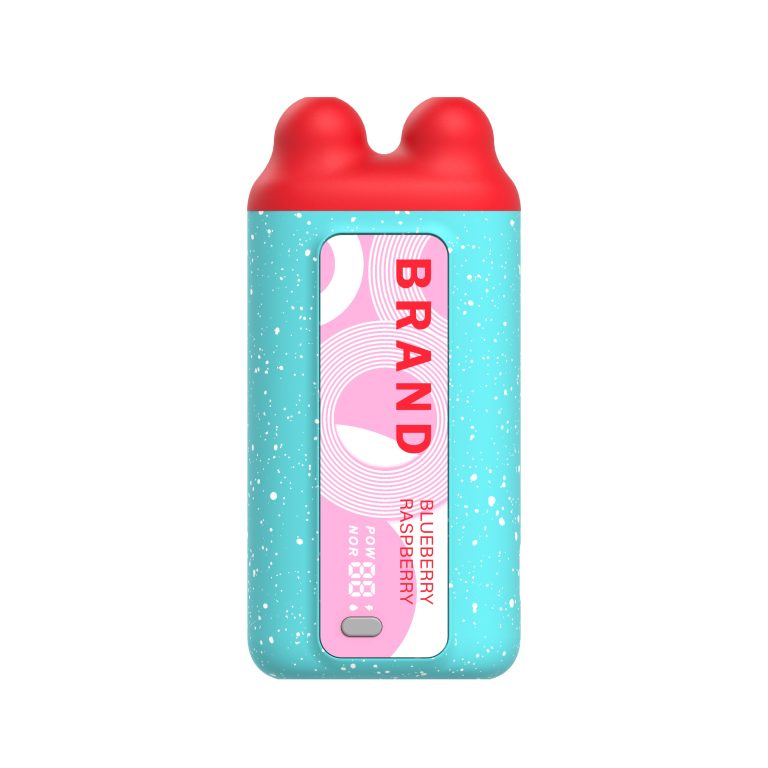
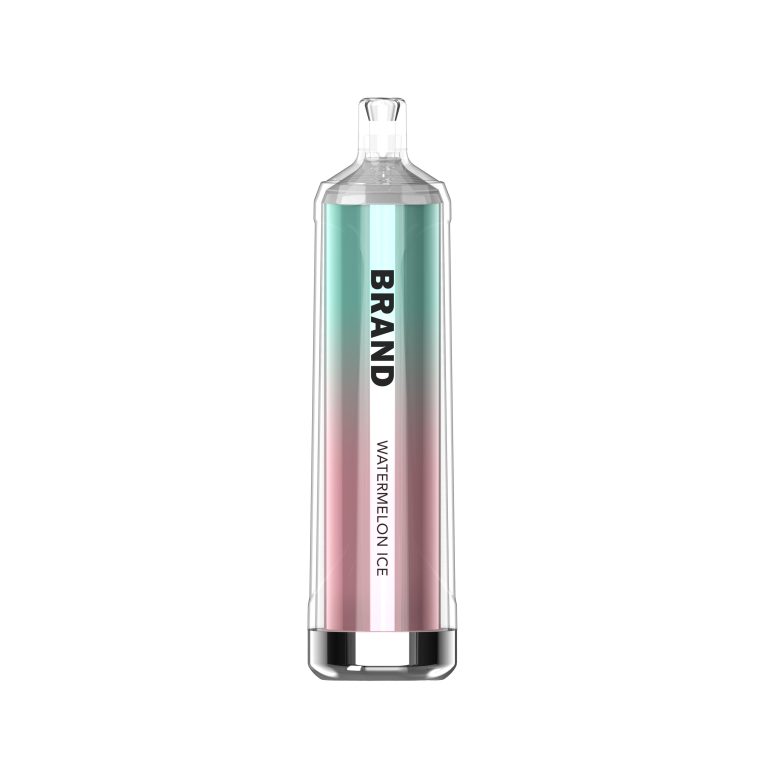
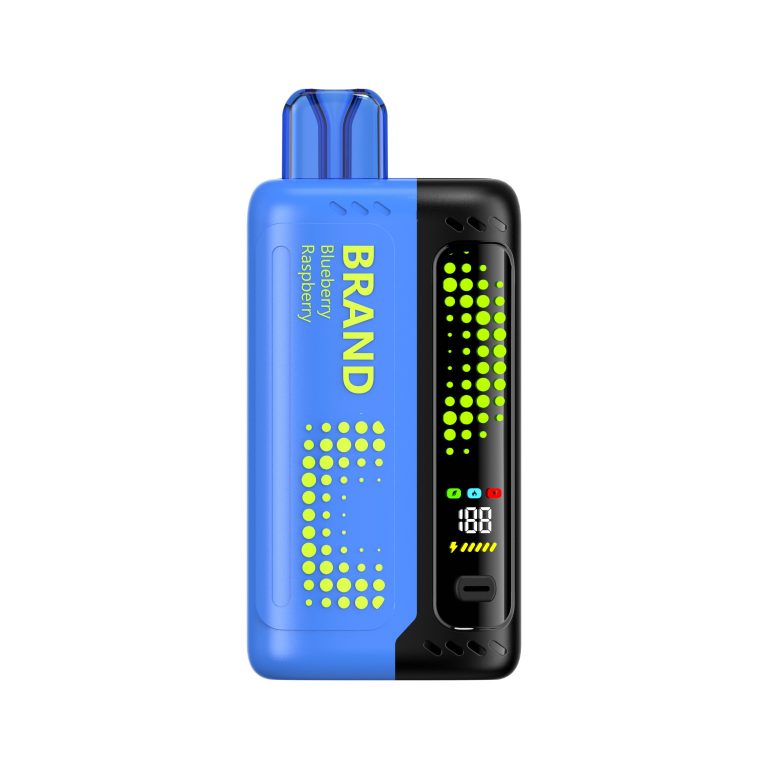
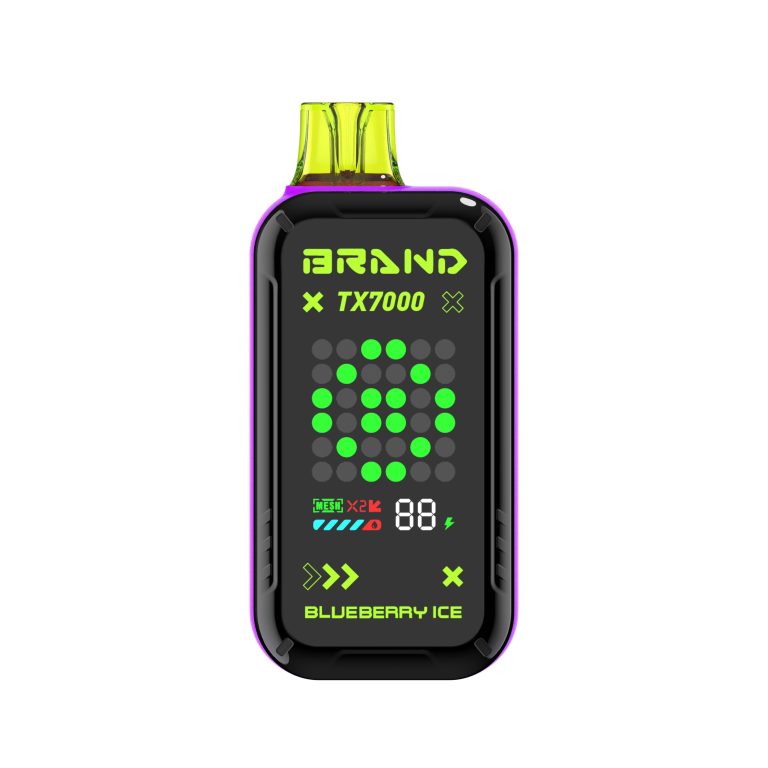
Even though we don’t zoom in on brands here, it’s fair to note quickly how top-notch making standards turn into trusty performance out in the real world. Fuumy runs as a supplier zeroed in on ODM/OEM for disposable vapes, putting weight on engineering for mist-making, stops for leaks, and keeping things uniform in big runs. Their whole setup weaves in workshops clear of dust, labs right there in-house, and over 60 spots to check quality through all the making phases, ensuring nothing slips through the cracks.
Tech like dual mesh coils and smart paths for shifting e-liquid get used to boost how flavors hold up and to trim down wet leftovers that annoy. If you’re keen to get the lowdown on the company’s roots, head to the official Fuumy website or check its company profile for extra nuts-and-bolts info. To spot real-life cases of how these disposables get designed, look at items like the S47 disposable vape, which shows plain as day how build decisions shape vapor steadiness and what users feel overall. If your business eyes teaming up for OEM or ODM work, just hit up the contact page to connect straight away and talk details.
Conclusion
The divide in health effects between traditional cigarettes and e-cigarettes boils down to facts of chemistry and physics, not just views or guesses. Burning spits out bad side products that filters or add-ons can’t fully block or fix. By ditching burning completely, e-cigarettes dial back contact with the stuff most linked to diseases from smoking, offering a clearer break from old harms.
Vaping isn’t without any downsides, and sticking with nicotine stays an issue to watch, but proof keeps stacking up that e-cigarettes give a safer path for adults who smoke and might stick with it if nothing changes. Like any tech out there, what you get depends on how good the product is, how you use it, and smart calls based on real info to guide the way forward.
FAQ
Q1: Are e-cigarettes safer than traditional cigarettes?
A1: E-cigarettes are not risk-free, but they eliminate combustion, which is the primary source of smoking-related toxins. This results in substantially lower exposure to harmful chemicals compared with traditional cigarettes.
Q2: Do e-cigarettes produce secondhand smoke?
A2: No. E-cigarettes produce an aerosol rather than smoke. It dissipates quickly and does not contain the combustion byproducts responsible for secondhand smoke risks
Q3: Can switching to vaping help smokers quit traditional cigarettes?
A3: Many adult smokers use e-cigarettes as a harm-reduction tool or transition aid. Adjustable nicotine levels and controlled delivery make vaping a practical alternative for those seeking to reduce or stop combustible tobacco use.