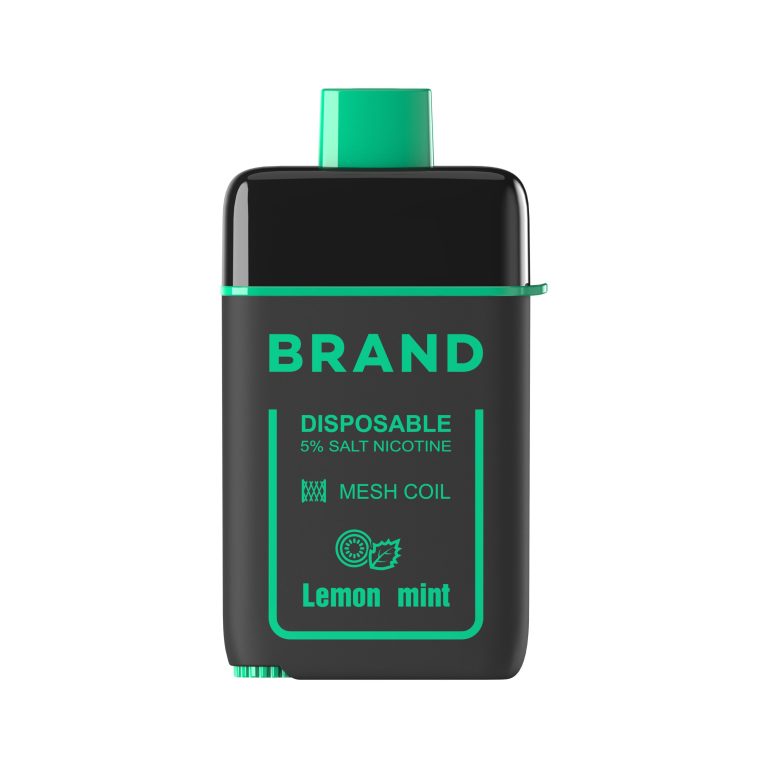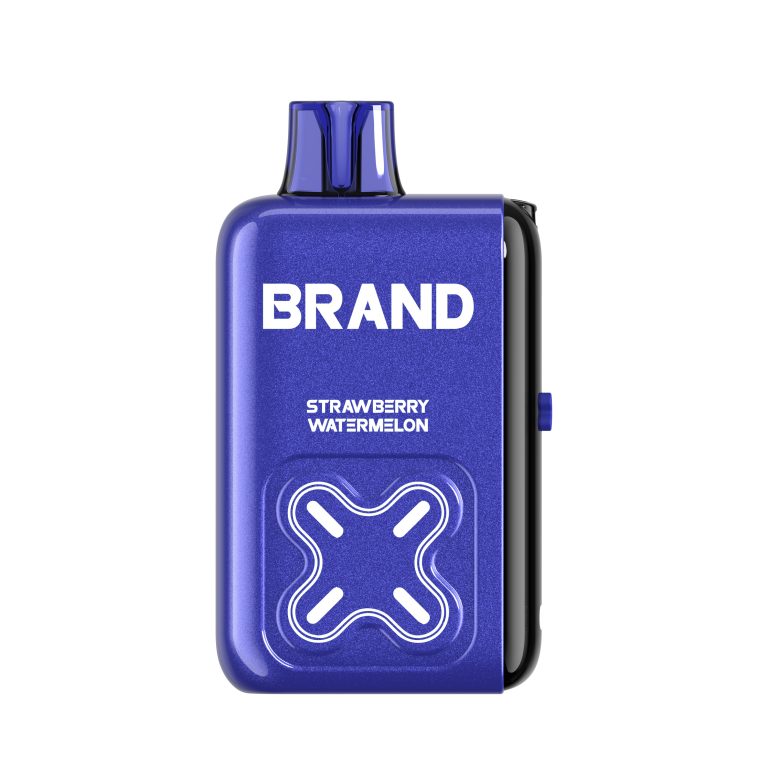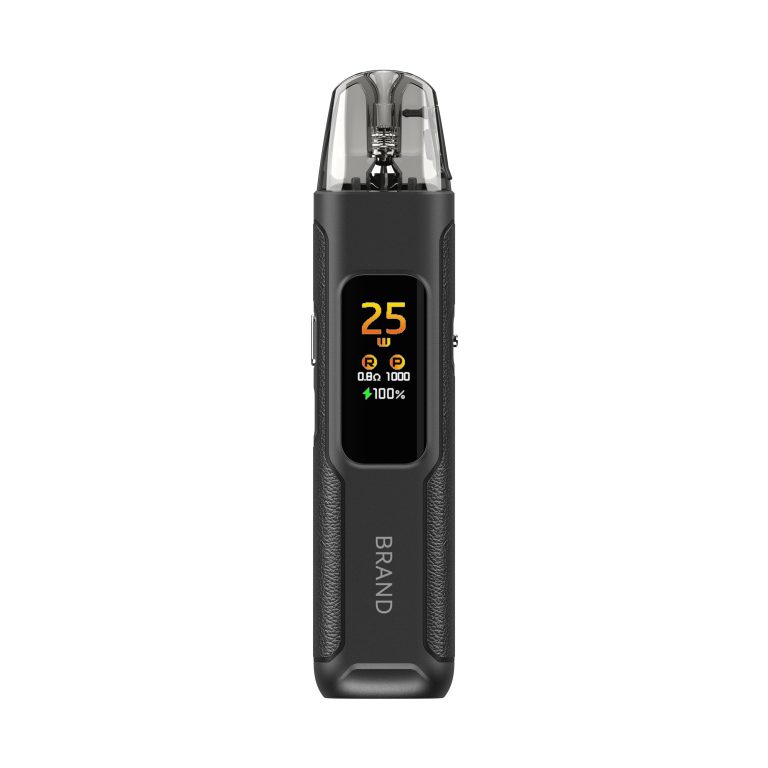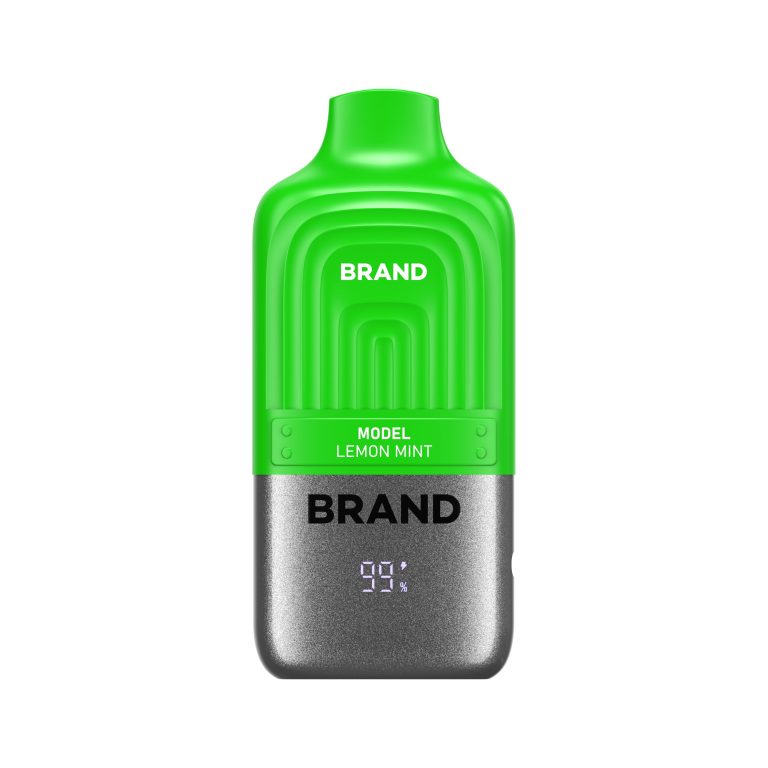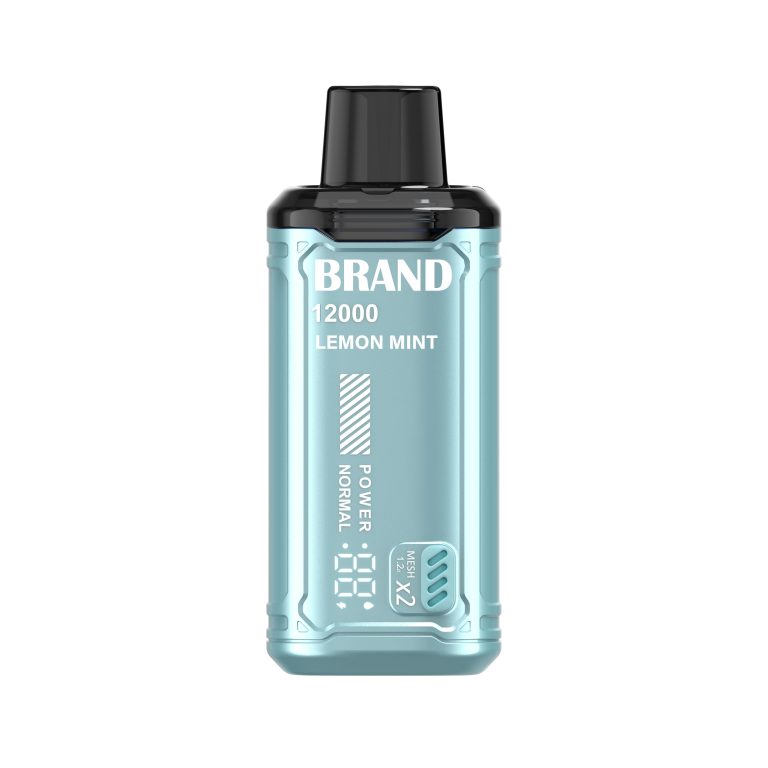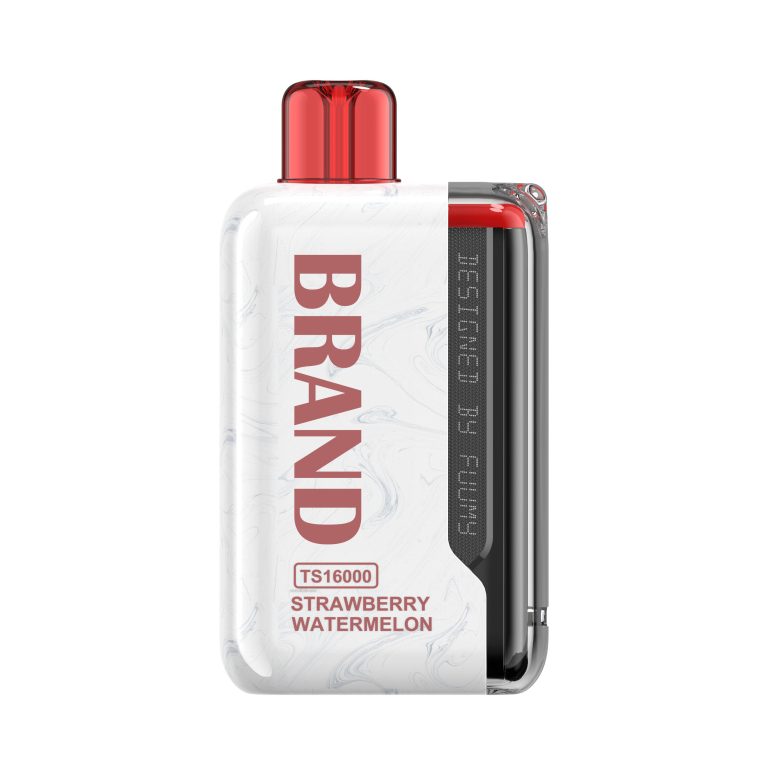
Les vapes jetables et à base de capsule visent à rendre la livraison de nicotine simple. Cependant, même les appareils conçus avec soin peuvent rencontrer des problèmes de performance dans les scénarios quotidiens. Les utilisateurs signalent fréquemment des problèmes tels que la fuite d'e-liquide, le goût brûlé ou sec et l'incohérence de la batterie. À dire la vérité, la majorité de ces problèmes de vape proviennent de modèles prévisibles plutôt que d'accidents ponctuels. Ils découlent de la façon dont les flux liquides, les éléments chauffants fonctionnent, les voies de flux d'air fonctionnent et l'énergie est manipulée.
Pourquoi Vape Leaking se produit et comment le réparer
Avant de sauter dans les corrections, il’ La clé est de noter que la fuite de vape se produit rarement par hasard. Cela se produit généralement parce que l'e-liquide se déplace plus rapidement que le système de chauffage peut le transformer en vapeur. Alternativement, les changements de pression peuvent pousser le liquide dans les passages d'écoulement d'air. Ces dynamiques révèlent pourquoi certains designs gèrent cela mieux que d’autres.
Causes communes de fuites de vape
Un mélange de conditions pratiques et environnantes conduit à des fuites. Plutôt que de pointer à un seul coupable, il’ est plus sage de le considérer comme une question de contrôle du flux. Plusieurs éléments se réunissent pour créer ce problème. Les déclencheurs principaux sont les suivants. Changements de pression pendant le transport: Les différences de pression de l'air de l'expédition ou de l'avion peuvent forcer le liquide vers la voie de flux d'air. Accumulation de condensation : À mesure que la vapeur se refroidit dans la cheminée, elle se transforme en gouttelettes. Ceux-ci peuvent ressembler à des fuites, mais sont souvent juste une accumulation. Sursaturation de la zone de la bobine: Trop de liquide inonde le point de chauffage, provoquant un débordement. Orientation de stockage incorrecte: garder l'appareil plat pendant de longues périodes permet un déplacement indésirable du liquide. Les statistiques de l'industrie sur le transport maritime indiquent que jusqu'à 35% des "problèmes de fuite" signalés sont en fait la condensation, pas une défaillance dans le réservoir lui-même.
Des façons pratiques de réduire ou d'arrêter les fuites
La prévention dépend fortement de la conception structurelle. Voici quelques étapes solides à suivre. Garder vapes jetables debout autant que possible pendant le stockage. Évitez les taches plus chaudes que 40 °C, car la chaleur amincisse le liquide; S épaisseur. De temps en temps, nettoyez la bouche pour éliminer toute humidité accumulée. Optez pour des appareils dotés de systèmes de transfert de liquides électroniques contrôlés. Ils aident à gérer la façon dont le pétrole coule régulièrement.
Prévention des fuites par conception (tableau de comparaison)
| Caractéristique de conception | Effet sur la fuite |
|---|---|
| Séparation bobine-huile avant première utilisation | Prévient les inondations de pré-activation |
| Structure de transfert de coton contrôlée | Stabilise le flux liquide |
| Canal de flux d'air anti-condensation | Réduit l'accumulation interne de liquide |
| Architecture de réservoir scellé | Minimize les fuites liées à la pression |
Les produits construits avec ces éléments affichent des taux de fuite jusqu'à 60% plus faibles lorsqu'ils sont expédiés sur de longues distances. Ces innovations font une réelle différence en matière de fiabilité, en particulier pour les utilisateurs en déplacement.
Ce qui provoque un goût brûlé dans les Vapes
Les gens confèrent souvent un goût brûlé à une mauvaise bobine. En fait, il’ mieux considéré comme un déséquilibre thermique. Cela se produit lorsque la chaleur générée dépasse le liquide disponible. Au lieu de cela, vous pouvez ajuster votre approche ou sélectionner de meilleures options pour garder le goût lisse.
Coups secs de bobine et chauffage inconsistent
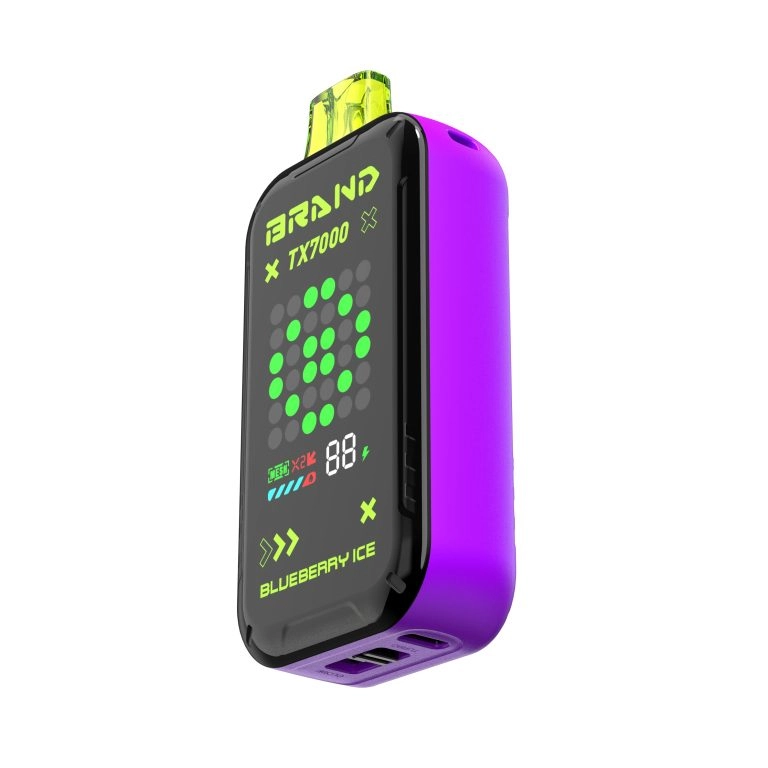
La principale raison de cette saveur brûlée est lorsque pas assez d'e-liquide frappe la zone de chauffage. Ce scénario de coup sec apparaît pour diverses raisons. Par exemple, cela peut se produire si vous soufflez régulièrement sans pause. Le temps froid peut épaissir le liquide, ralentissant son flux. De plus, si les pièces de chauffage sont’ t bien répandu, les problèmes empirent. Les bobines à fil unique traditionnelles sont sujettes aux points chauds. Dans ces zones, la chaleur s'accumule intensément. Cela peut carboniser le coton ou le liquide résiduel, créant cette note dure. Comprendre ces mécanismes aide à déterminer quand et pourquoi le goût disparaît.
Comment la conception de la bobine affecte la stabilité du goût
Aujourd'hui’ Les vapes jetables s'inclinent vers des structures de bobine à maille et à double maille pour s'attaquer à cela. Ces installations répartissent la chaleur plus uniformément. Ils stimulent également le contact entre la bobine et l'e-liquide, ce qui conduit à de meilleurs résultats dans l'ensemble.
Les avantages se démarquent clairement. La chaleur reste constante sur toute la zone de chauffage. La vapeur se forme rapidement, mais sans points chauds extrêmes. La possibilité de brûler le coton diminue sensiblement. Les tests en laboratoire révèlent que les bobines à double maille peuvent abaisser la température de pointe de la bobine de 18 à 22% par rapport aux types plus anciens à fil unique. Par conséquent, les incidents de goût brûlé se produisent beaucoup moins souvent. Ce changement de conception améliore vraiment la session de vaping, ce qui la rend plus agréable et fiable du début à la fin.
Problèmes de batterie: pourquoi les Vapes cessent de fonctionner ou fonctionnent de manière peu fiable
Les gens ont tendance à épingler les problèmes de batterie sur la taille de la source d'alimentation. Pourtant, la plupart des pannes sont liées au comportement de gestion de l'énergie, pas seulement à la batterie. Capacité S. Les désaccords dans la façon dont l'énergie est livrée à la bobine peuvent provoquer des arrêts soudains ou des performances faibles.
Problèmes communs liés à la batterie
Les utilisateurs sont souvent confrontés à quelques pannes de batterie. Ceux-ci comprennent l'appareil qui ne s'allume pas du tout. Un autre est que le pouvoir s'efface rapidement vers la fin de sa vie. Les lumières de charge peuvent agir de manière irrégulière, aussi, confusant tous les impliqués. Souvent, de tels signes apparaissent parce que la sortie de la batterie et la résistance de la bobine ne correspondent pas. Ceci est particulièrement vrai dans les appareils qui exigent une puissance élevée.
Comment améliorer la fiabilité de la batterie
Des changements simples dans la routine peuvent avoir un grand impact sur l’utilisation quotidienne. Essayez ces conseils efficaces. Don’ t prendre de longues bouffées ininterrompues qui poussent au-delà du dispositif’ S limites. Optez pour des vapes équipés d'indicateurs de niveau de batterie. Ils aident à éviter de faire fonctionner la puissance trop faible. Sélectionnez des modèles avec des interfaces de charge Type-C. Ceux-ci assurent un courant constant et une manipulation plus facile. Donnez à l'appareil de courtes pauses entre les utilisations pour le laisser refroidir et se stabiliser. Les registres de contrôle de qualité des usines démontrent que l'ajout d'indicateurs de batterie réduit les rapports d'arrêt soudain de plus de 30%. Ces données soulignent comment les petites fonctionnalités conduisent à des expériences plus fluides au fil du temps.
Comment la structure du produit et la fabrication influent sur la fiabilité de Vape
Maintenant il’ Il est évident que les fuites, le goût brûlé et les pannes de batterie remontent tous à des choix faits dans l'ingénierie bien avant que l'appareil ne touche l'étagère. Ce sont’ t seules erreurs d'utilisateur; Ils’ relié à la façon dont le produit se réunit. Cette partie va au-delà des conseils quotidiens pour examiner le côté de la production. Il met en évidence comment les blocs de construction réfléchis créent des performances durables.
Technologies structurelles qui réduisent les défaillances

La vape jetable de haut niveau construit le tissage dans plusieurs mesures de protection pour repousser les pièges communs. Par exemple, la technologie de séparation bobine-huile maintient les saveurs fraîches jusqu'à la première bouffée. Les matériaux de précision tels que le coton ou la céramique contrôlent la façon dont le liquide se déplace vers la source de chaleur. De plus, les configurations de flux d'air multi-voies équilibrent la pression et la sortie de vapeur.
Toutes ces pièces ne’ t fonctionnent en isolement. Au lieu de cela, ils forment un système interconnecté qui améliore la résistance globale. Lorsqu'ils sont combinés efficacement, ils minimisent les risques évoqués plus tôt, ce qui conduit à des dispositifs qui résistent bien sous une tension régulière.
Pourquoi le contrôle de qualité est important dans l'utilisation quotidienne
Les grandes conceptions manquent si la production saute les contrôles vitaux. Des fabricants fiables appliquent une surveillance stricte à chaque tournant. Cela commence par l'examen des matières premières à l'arrivée. Il se poursuit à travers l'assemblage et se termine par les examens finaux de l'expédition. Ils utilisent également la traçabilité par lot. Cet outil identifie et isole rapidement les défauts d'un groupe. En outre, les laboratoires sur place testent rigoureusement l'efficacité de la bobine et l'endurance des arômes.
Les installations qui exploitent plus de 60 points de contrôle de qualité bénéficient de taux de retour beaucoup plus faibles. Par rapport aux lignes de production simples, ce niveau de détail assure que les produits fonctionnent comme promis dans le monde réel, construisant la confiance avec les utilisateurs du monde entier.
Un fournisseur fiable de vape jetable derrière des performances stables: Fuumy
Discuter des bases technologiques ne’ t nécessitent la désignation de marques. Cela dit, il’ Il est utile de souligner un fabricant dont les méthodes s'alignent étroitement sur les corrections décrites ici. Fuumy se distingue en tant que fabricant de vape jetable axé sur la technologie. La priorité de l'entreprise est d'arrêter les fuites, de maintenir des arômes stables et d'assurer un flux d'énergie solide.
Son processus de développement met en lumière les systèmes de bobines à double maille, les structures de transfert de liquide électronique contrôlées et la conception de flux d'air anti-condensation. Chacun d’entre eux aborde les défis précis mentionnés dans ce guide. Soutenu par une échelle de production robuste et des équipes de recherche dédiées, Fuumy gère les articles standard ainsi que les demandes OEM / ODM personnalisées. Ceux qui sont curieux des détails de construction ou des forces de production devraient vérifier site officielSinon, connectez-vous via le page de contact.
Comme exemple concret, prenez le S47 vape jetableIl montre comment le mélange de la structure intelligente avec une gestion efficace de la puissance améliore la cohérence du goût. Il réduit également les fuites au cours de sessions prolongées. Ce modèle illustre les principes en action, offrant un moyen pratique de faire face à moins de problèmes.
Conclusion
Les problèmes tels que les fuites, le goût brûlé et les problèmes de batterie sont’ t simple malchance. Ils résultent d'un débit liquide déséquilibré, d'un chauffage inégal et d'une puissance de sortie non gérée de manière prévisible. En les regardant du point de vue de l'ingénierie, le diagnostic est plus simple. La prévention devient aussi plus réalisable. Sélectionnez des vapes qui intègrent un transfert contrôlé d'e-liquide, des structures de bobine avancées et une gestion fiable de la batterie.
FAQ (questions fréquentes)
Q1: Pourquoi ma vape jetable fuit-elle même quand elle est toute nouvelle?
A1: Les appareils frais peuvent développer la condensation. Ou, le liquide peut se déplacer en raison de la pression pendant le voyage. Les constructions avec séparation huile-bobine et configurations de transfert scellées empêchent en grande partie cela de se produire.
Q2: Un goût brûlé est-il un signe que mon vape est défectueux?
A2 : Pas forcément. Il indique plus souvent un déséquilibre thermique dû à une faible portée de liquide ou à un chauffage taché. Les deux la bobine’ construction et votre style de gonflement influent considérablement sur le résultat.
Q3: Comment puis-je faire durer plus longtemps ma batterie de vape?
A3 : Passez les longs coups continus. Choisissez des appareils avec des indicateurs de batterie. Respectez les routines de recharge appropriées. Manipulation de puissance solide étend efficacement la batterie’ durée de vie efficace.